

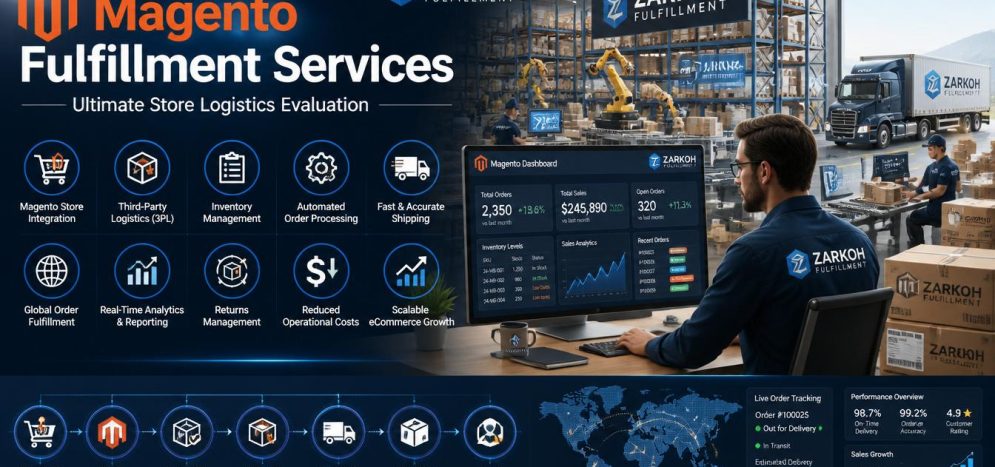
As of Q1 2026, Magento powers approximately 111,495 active online stores worldwide, making it one of the leading enterprise eCommerce platforms.
Scaling enterprise eCommerce storefronts requires excellent digital tools. You also need highly efficient physical operations. Magento provides excellent data routing features natively. However, software cannot physically pack items safely. Many growing merchants outsource warehouse operations entirely. They choose Magento fulfillment services for execution. Deciding to utilize external fulfillment requires evaluation. Here is a balanced look at 3PLs.
The Advantages of Using a Magento Fulfillment Company
1. Seamless Multi-Channel API Integrations
Modern fulfillment services for Magento provide pre-built extensions. These modules allow direct store connections easily. Secure data streams synchronize your stock levels. This automated process occurs between platforms cleanly. Order details route to warehouse crews instantly. This automation eliminates tedious manual data entry. Your operational teams save valuable time daily.
2. Distributed Inventory and Faster Delivery
An elite Magento fulfillment solution operates massive warehouse networks. These physical distribution hubs sit strategically worldwide. You distribute products across multiple geographical regions. This replaces storing everything in one place. Magento routes incoming orders to the closest centers. This distribution logic lowers total shipping fees. Your consumers receive their packages much faster.
3. Reduced Overhead Costs and Resource Demands
Building private warehouse facilities requires immense capital. Renting massive spaces strains young retail brands. Partnering with external logistics firms eliminates leasing. You avoid buying expensive packaging machinery upfront. Merchants also bypass complex seasonal staffing challenges. Managing warehouse payroll becomes someone else’s problem. You pay only for utilized storage space.
4. Bulk Shipping Rate Discounts
The Best Magento Fulfillment services handle massive daily package volumes. They ship items for thousands of clients. Because of this scale, carriers grant discounts. Major delivery services offer lower pricing tiers. Providers pass these savings to Magento merchants. You access excellent commercial shipping rates immediately. Small independent companies cannot negotiate these rates.
5. Effortless Peak Season Scalability
Holiday rushes create massive strain for retailers. Sudden flash sales overwhelm standard logistics setups. External logistics providers possess incredible scaling infrastructure. They absorb unexpected order spikes completely seamlessly. Warehouse teams handle extra volume without delays. Your Magento storefront maintains rapid shipping speeds. Customers get their holiday orders on time.
The Disadvantages of Using a Magento Order Fulfillment Provider
Magento stores process an estimated $173 billion in annual gross merchandise value (GMV), reflecting the platform’s popularity among high-volume merchants. However, when it comes to order fulfillment, there are some disadvantages as well.
1. Complex Technical Integration Challenges
Connecting specialized logistics software requires technical expertise. Mapping heavy-duty Magento databases takes careful planning. Poorly matched product SKUs cause synchronization failures. Incorrect inventory data leads to massive operational confusion. Your storefront might easily oversell out-of-stock items. Merchants frequently require certified developers for safety. Continuous testing prevents expensive data drops later.
2. Lost Control Over Brand Presentation
Outsourcing warehouse operations removes hands-on quality checks. You trust external workers with valuable merchandise. If warehouse teams wrap items poorly, presentation suffers. Unboxing experiences become highly unpredictable for buyers. Custom branded boxes require extra coordination efforts. Specialized gift notes add operational friction for 3PLs. Mistakes directly harm your hard-earned corporate reputation.
3. Accumulating Storage and Transaction Fees
Fulfillment company for Magento pricing models includes multiple charges. You encounter separate fees for every delivery received. Warehouse pallet storage costs build up monthly. Individual order picking adds up very quickly too. High-volume merchants face compounding costs during winter. Unsold products sitting on shelves create penalties. Aged inventory drains your active business capital.
4. Limited Custom Kitting and Bundling Flexibility
Complex product assembly requires dedicated warehouse space. Specialized product kitting demands meticulous manual labor rules. Third-party logistics facilities prioritize highly standardized routines. They move fast and avoid custom requests. If your store sells unique item combinations, beware. External teams often struggle with unique rules. Miscommunications lead to frustrating order assembly errors.
5. Dependency on Third-Party Data Security
Integrating your backend catalog opens security risks. Magento stores hold sensitive consumer delivery addresses. Databases contain private phone numbers and valuations. If your fulfillment partner suffers server breaches, panic ensues. Your proprietary commercial data becomes completely vulnerable. Merchants must audit the protocols of external providers. Constant technical vigilance keeps customer records safe.
Technical Comparison Matrix
The structured comparison table below highlights critical operational differences between fulfillment models.
| Operational Feature | Third-Party Fulfillment Company (3PL) | In-House Magento Warehouse |
| Capital Expenditure | Predictable monthly operational expenses run steadily. | High upfront real estate costs demand capital. |
| Scalability Speed | Instant expansion into global networks awaits. | Months to years are required for building. |
| Data Sync Dependencies | High reliance on continuous APIs remains. | Direct native connections feed internal systems. |
| Packaging Flexibility | Standardized options limit your custom adjustments. | Total control empowers bespoke brand experiences. |
Frequently Asked Questions
How does a 3PL communicate tracking information back to Magento?
The third-party system utilizes automated webhook scripts. API calls transmit tracking details back home. Once workers package items, system tracking generates. The numbers upload to your backend dashboard. Magento triggers automated email confirmations to buyers. Customers track their packages using those links. Real-time data updates keep shoppers happy.
Can a fulfillment company manage complex Magento B2B wholesale orders?
Yes, but choose a business-to-business specialist. B2B logistics requires adherence to routing rules. Warehouse teams build strong freight pallets carefully. They print compliance labels for big retailers. Verify freight transport capabilities before signing contracts. Test your complex B2B parameters thoroughly first. Use a staging environment for validation.
What happens if the API connection drops during a major sales event?
API disconnections block incoming order detail flows. Magento stores data safely inside internal databases. Orders queue up until communication channels open. However, stock numbers will not adjust live. This delay creates dangerous operational blind spots. Your storefront risk of overselling increases rapidly. Monitor your data connections closely during sales.
Does a Magento online fulfillment provider handle customer returns and product exchanges natively?
Enterprise 3PL firms offer comprehensive reverse logistics. Workers receive returned packages from delivery drivers. They inspect merchandise conditions for restocking rules. Warehouse software updates product availability logs automatically. This inventory data flows back into Magento. Specialized returns management extensions handle these steps.
How do I choose between a local or a global fulfillment partner?
Select local partners if buyers reside nearby. Localized shipping keeps regional transit costs low. Choose global providers for international storefront demands. Global warehouse networks store items near buyers. Packages clear domestic customs barriers much faster. International clients avoid paying unexpected import fees. Your brand grows smoothly across borders.